

What Children Learn When We Pause Instead of React

We've all been there. The juice spills across the freshly cleaned floor. The sibling argument escalates to screaming. The bedtime routine goes completely sideways, again. In those moments, every fiber of your being wants to react. To raise your voice. To fix it immediately. To just make it stop.
But here's the thing: what happens in those heated seconds between the trigger and your response? That tiny window of time holds more power than you might realize. When we learn to pause instead of react, we're not just managing our own stress, we're actively teaching our children some of the most valuable life skills they'll ever learn.
Let's talk about why that pause matters so much, and what it can do for you and your little ones.
The Magic Hidden in the Pause
Think of the pause as a gift, to yourself and to your child. It's that brief moment where you take a breath, notice what's happening in your body, and choose how you want to respond rather than letting your emotions drive the bus.
This isn't about being a perfect parent (spoiler alert: there's no such thing). It's about being a present one. When we pause, we're essentially telling our nervous system, "Hey, I've got this. We don't need to go into full-on fight-or-flight mode right now."
And guess what? Your child is watching. They're always watching.
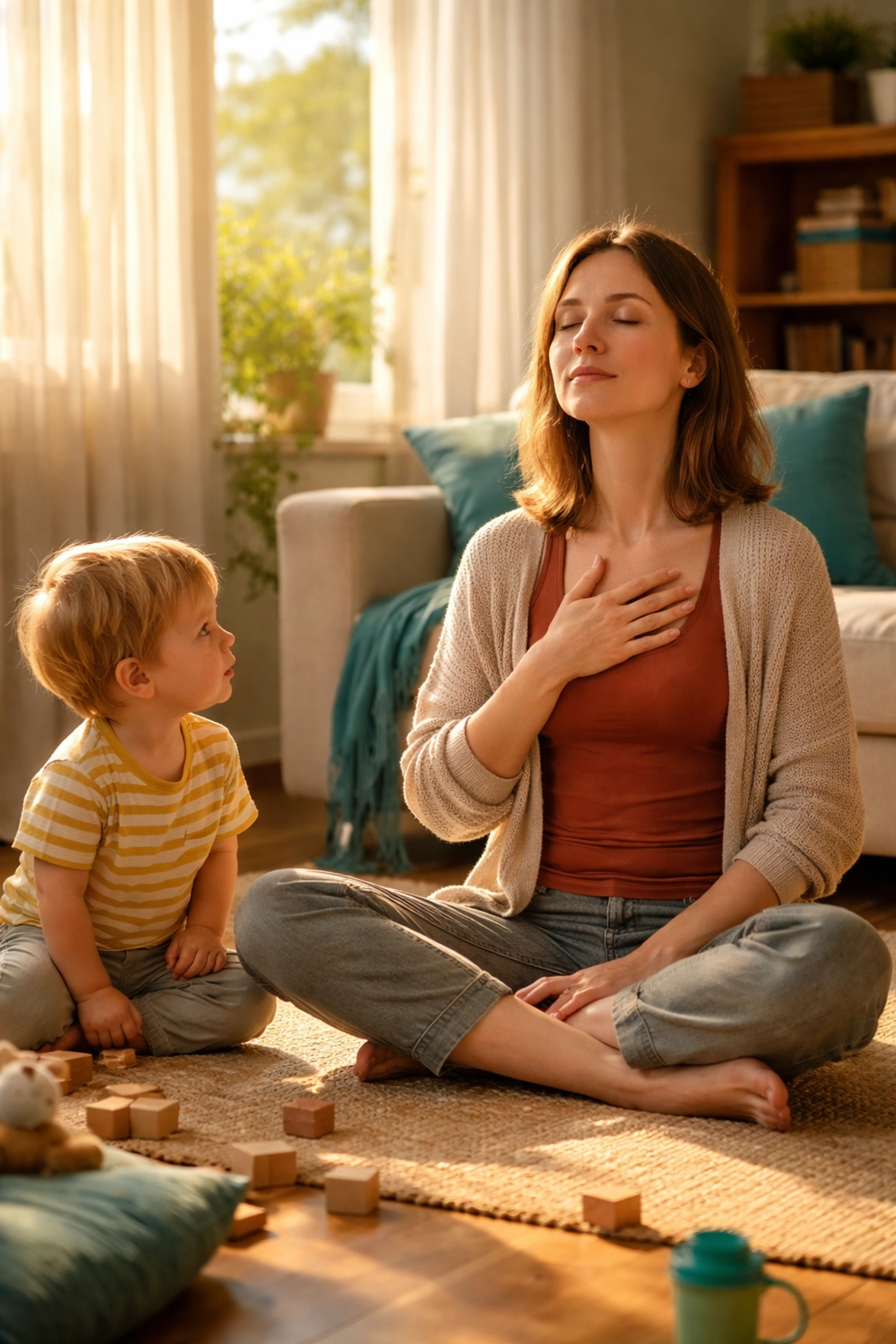
Co-Regulation: You're Their Calm in the Storm
Here's something powerful to understand: young children don't yet have the brain development to regulate their emotions on their own. Their prefrontal cortex, the part of the brain responsible for impulse control, reasoning, and emotional regulation, isn't fully developed until their mid-twenties. Yes, you read that right. Mid-twenties!
So what does this mean for you as a parent or caregiver? It means that you are their regulation system. When they're dysregulated (melting down, throwing things, crying uncontrollably), they need to borrow your calm. This is called co-regulation, and it's one of the most important things we do for children.
When you pause and respond from a place of calm rather than chaos, you're essentially saying to your child's nervous system: "I'm safe. You're safe. We can figure this out together."
But when we match their energy, yelling when they yell, panicking when they panic, we confirm their fear that the situation is indeed out of control. Their stress response stays activated, and learning becomes nearly impossible.
What Children Actually Learn When We Pause
The research is clear: when parents and caregivers model pausing during stressful moments, children absorb so much more than we realize. Here's what they're learning:
1. Emotions Are Manageable
When you pause, take a breath, and respond thoughtfully, your child learns that big feelings don't have to take over. They see firsthand that it's possible to feel frustrated, angry, or overwhelmed AND still make a good choice about what to do next. This is huge! You're teaching them that emotions are information, not commands.
2. They Can Choose Their Response Too
Children learn by watching us. When they see you pause instead of react, they begin to understand that they have the same power. Over time, they'll start to internalize this skill and use it themselves, during sibling conflicts, friendship challenges, test anxiety, and beyond.
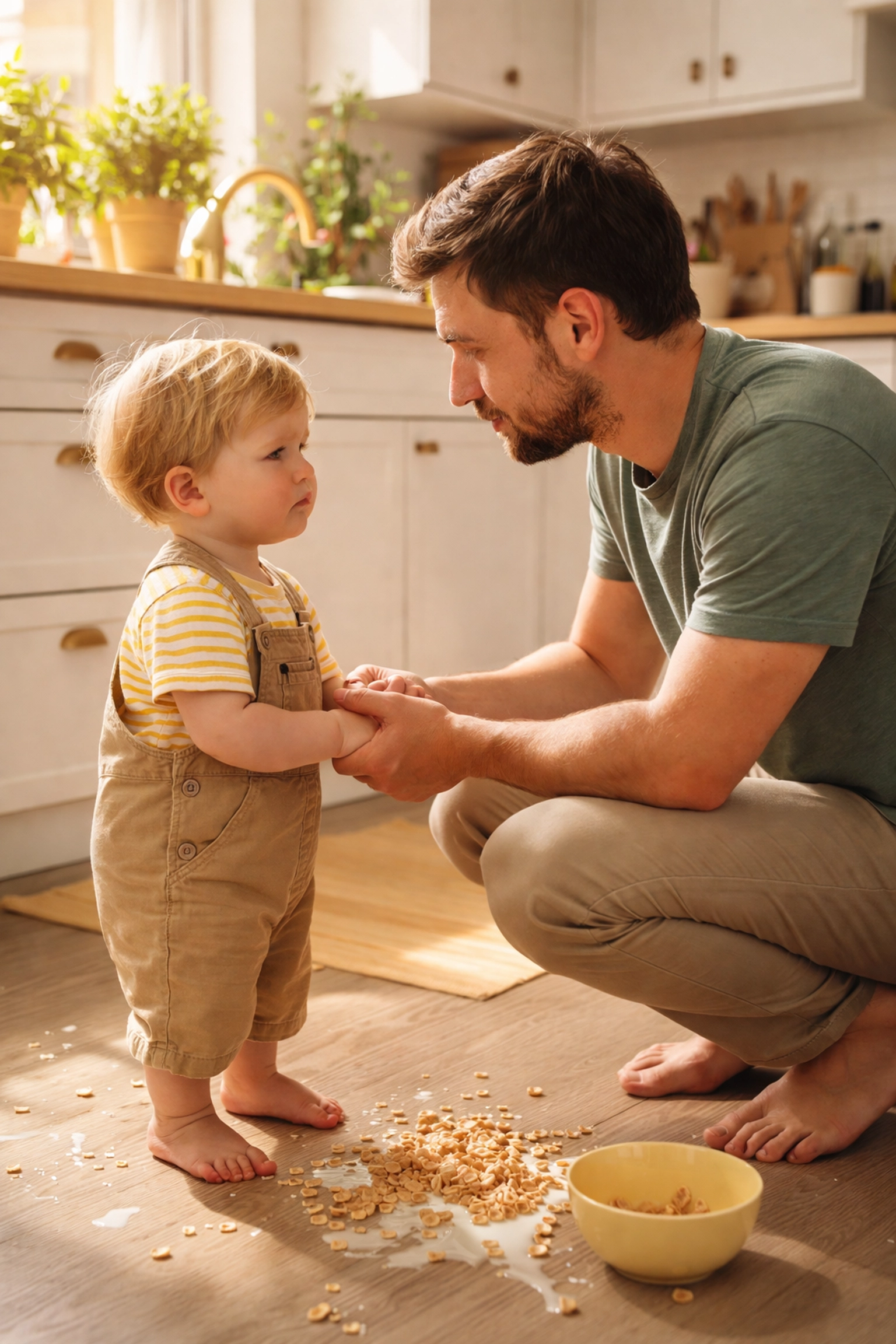
3. Patience and Self-Discipline Are Strengths
In a world that often rewards instant gratification and quick reactions, pausing teaches children that patience and self-discipline are actually superpowers. They learn that taking a moment before responding demonstrates strength, compassion, and understanding, not weakness.
4. Better Communication Skills
When we pause before responding, we model speaking mindfully rather than saying things we'll regret later. Children pick up on this! They learn to process their emotions before communicating, which leads to more positive relationships with peers, teachers, and family members.
5. Resilience for Life
Here's the beautiful part: when children learn the gift of the pause early, it becomes a lifelong tool they can access in any challenging situation. You're not just helping them navigate today's tantrum, you're building their capacity to handle job interviews, relationship conflicts, and parenting their own children someday.
The Science Behind It All
Let's geek out for just a moment (I promise to keep it simple). When you pause and take a breath during a stressful moment, you activate your parasympathetic nervous system, that's your body's natural rest-and-recovery mode. This helps you think clearly and respond thoughtfully instead of operating from pure survival instinct.
When your nervous system calms down, it sends signals to your child's nervous system that it's safe to calm down too. Remember, they're borrowing your regulation! This is why taking care of your own emotional health isn't selfish, it's essential for your child's development.
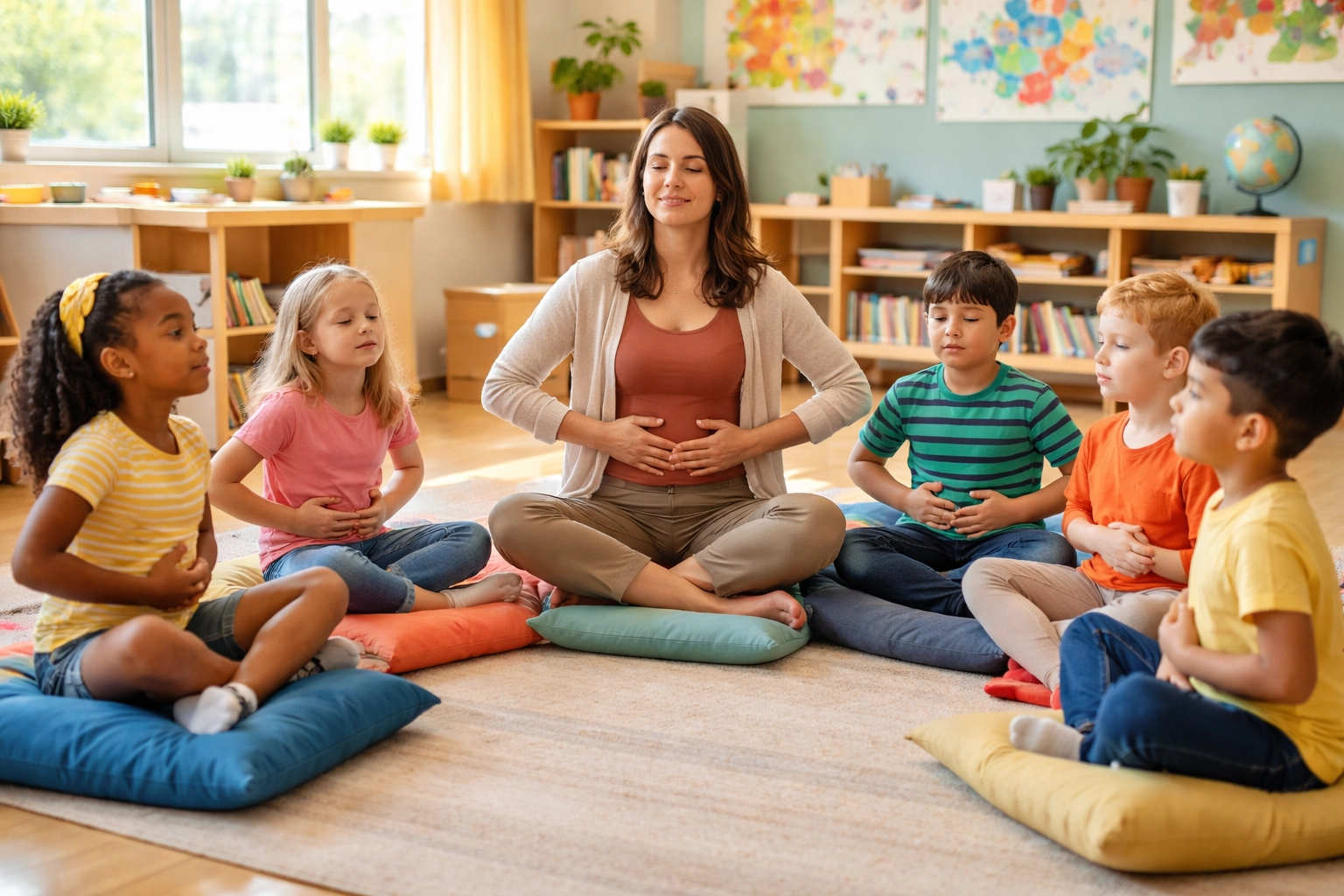
Practical Ways to Practice the Pause
Okay, so this all sounds great in theory. But how do you actually do it when your toddler is screaming in the grocery store or your teenager just rolled their eyes at you for the hundredth time?
Here are some simple strategies:
Name it to tame it. When you feel yourself getting activated, try saying (out loud or in your head): "I'm feeling frustrated right now, and I'm going to take a breath before I respond." This simple act of naming your emotion actually helps regulate it.
Create a physical anchor. Some parents find it helpful to have a physical cue: like pressing your feet firmly into the ground, placing your hand on your heart, or squeezing your hands together: to remind yourself to pause.
Buy yourself time. It's completely okay to say, "I need a moment to think about this" or "Let me take a breath, and then we'll talk about it." This models healthy emotional processing for your child.
Practice when stakes are low. Don't wait for a crisis to try this out. Practice pausing during small moments throughout the day so it becomes more automatic when things get tough.
Be gentle with yourself. You will not do this perfectly. No one does! What matters is that you keep trying, and when you mess up, you repair. Saying "I'm sorry I yelled. I was feeling overwhelmed, and I didn't handle that the way I wanted to" teaches your child so much about accountability and growth.
You're Already Doing Better Than You Think
If you're reading this article, you care deeply about your child's emotional development. That already puts you ahead of the game. Parenting is hard, caregiving is exhausting, and none of us have it all figured out.
But here's what I want you to remember: every single pause matters. Even if you only manage to pause once today before reacting, that's a win. Your child noticed. Their nervous system registered that moment of calm. And slowly, over time, those moments add up to something powerful.
At 2 Inspire Peace, we believe that peace starts in our homes, in our relationships, and in the small moments that make up our days. When we pause instead of react, we're not just keeping the peace: we're teaching our children how to create it for themselves.
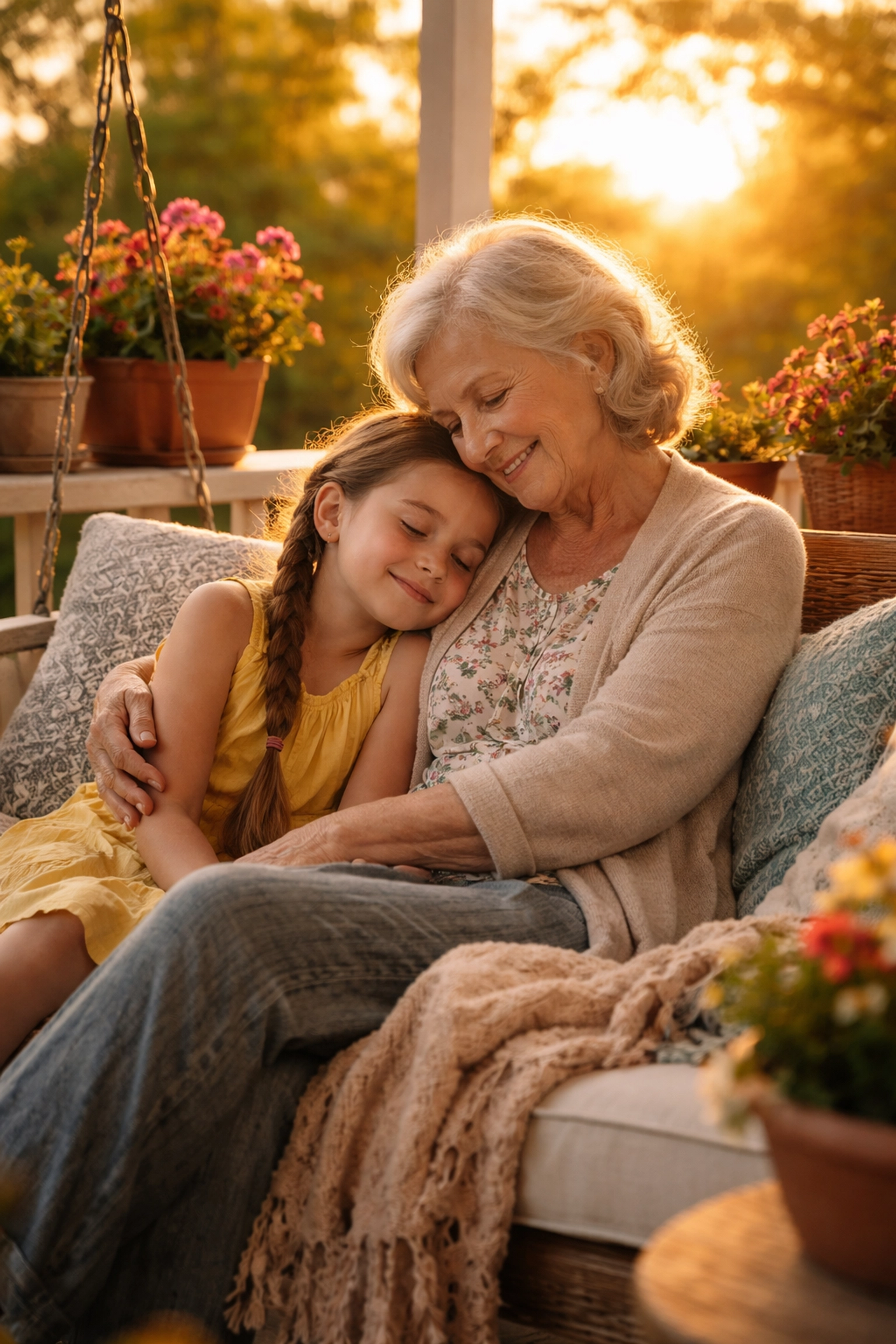
You've Got This
The next time you feel that familiar surge of frustration rising, remember: you have a choice. You can react from that place of stress, or you can pause: even for just three seconds: and respond from a place of intention.
Your child is learning from you every single day. And when you choose the pause, you're teaching them one of the most valuable lessons they'll ever learn: that they have the power to choose their response too.
That's a gift that will serve them for the rest of their lives.
Want more resources on co-regulation and supporting children's emotional development? Visit our blog for more tips and inspiration, or check out The Calm Space to learn about our restorative environments designed for peace and healing.


Comments