

Hip Hop and Healing: Creative Approaches to Social-Emotional Wellness

Creative expression has emerged as one of the most powerful pathways to social-emotional wellness, offering culturally responsive approaches that complement traditional mental health interventions. From hip hop culture to drumming circles, movement-based programming to visual arts, these innovative strategies provide unique opportunities for individuals to process emotions, build resilience, and foster community healing.
The Power of Hip Hop in Mental Health
Hip hop has revolutionized how we approach trauma healing and social-emotional wellness. The expressive and receptive elements of hip hop music and culture provide unique pathways for individuals to process emotions, build resilience, and foster community healing. Through rhythmic engagement, emotional evocation, and community building, hip hop-based strategies promote self-regulation, a more empowered sense of self, and opportunities to challenge trauma-inducing environments.
Research identifies both receptive and expressive methodologies within hip hop healing work. Receptive approaches involve engaging with hip hop music and analyzing its lyrical content and cultural significance, while expressive approaches encourage participants to create their own music, write lyrics, and produce original work. The therapeutic power of hip hop operates through rhythmic regulation: the music's ability to help regulate emotions: making it particularly effective across all stages of the life course.
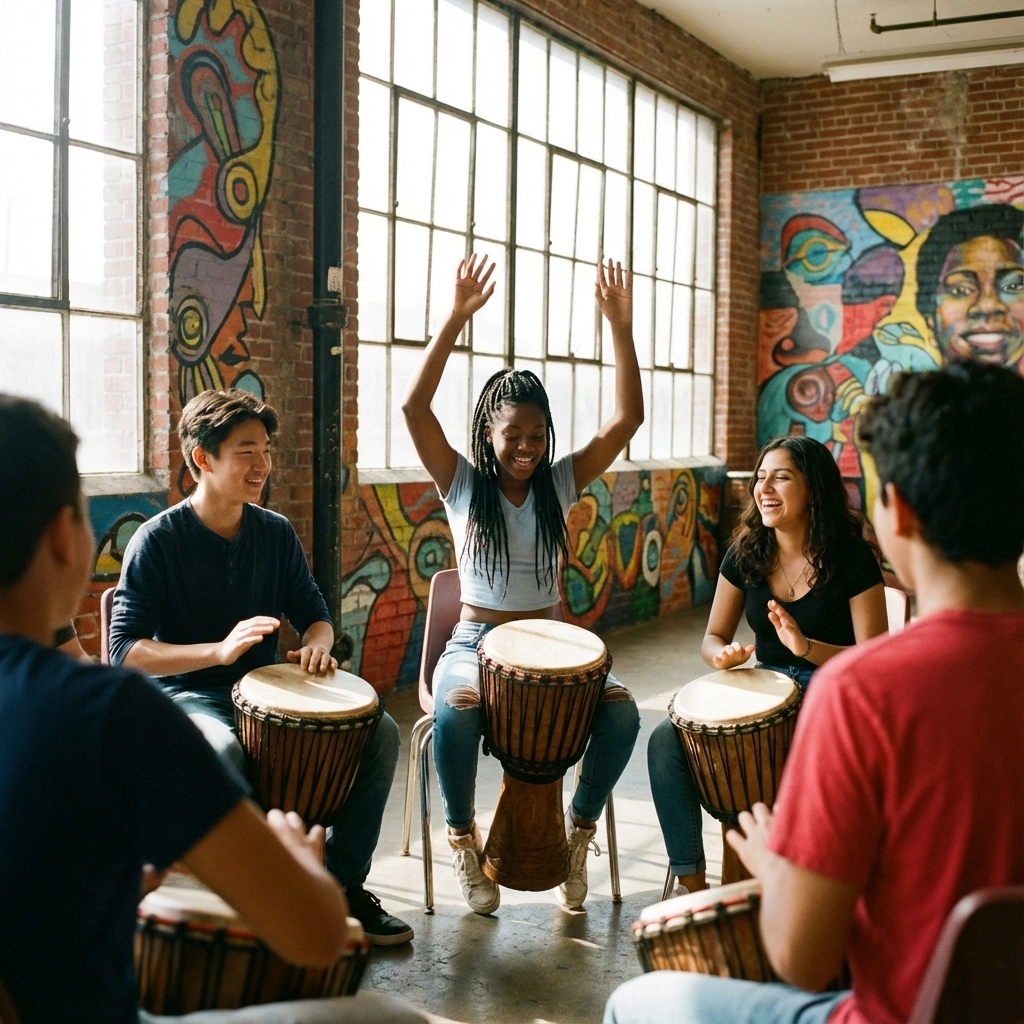
Dr. Raphael Travis Jr., a professor and MSW Program Director at Texas State University, has been instrumental in developing evidence-informed hip hop integrated strategies. Through his research and his book "The Healing Power of Hip Hop," Dr. Travis explores specific approaches that address trauma within pathways to growth and well-being. His CREATE Lab focuses on research outcomes including healthy development, empowerment, and reduced stress, anxiety, and depression.
One notable example is the Hip Hop Therapy Studio program at Mott Haven Community High School in the South Bronx, established by J.C. Hall, a hip hop artist and clinical social worker. Hall transformed a storage room into a professional recording studio to provide youth the opportunity to engage in the therapeutic process through writing, recording, producing, and performing their own music. The program's effectiveness in addressing grief and trauma earned Hall a national Jefferson Award for Outstanding Public Service in 2020.
Beat the Odds: A Different Kind of Healing Program
While hip hop represents one powerful approach to creative wellness, other evidence-based programs take different paths to achieve similar outcomes. Beat the Odds, developed by Arts & Healing Initiative with Ping Ho, exemplifies a prevention-focused, group drumming and movement-based program specifically designed for youth navigating adversity, stress, or systemic barriers.
This innovative program serves public health departments, cities, juvenile justice partners, and nonprofits with a resilience-building curriculum that emphasizes emotional regulation tools, mentorship, and community connection. Unlike hip hop-focused interventions, Beat the Odds centers on the therapeutic power of rhythm, movement, and group reflection to build coping skills and positive identity development.
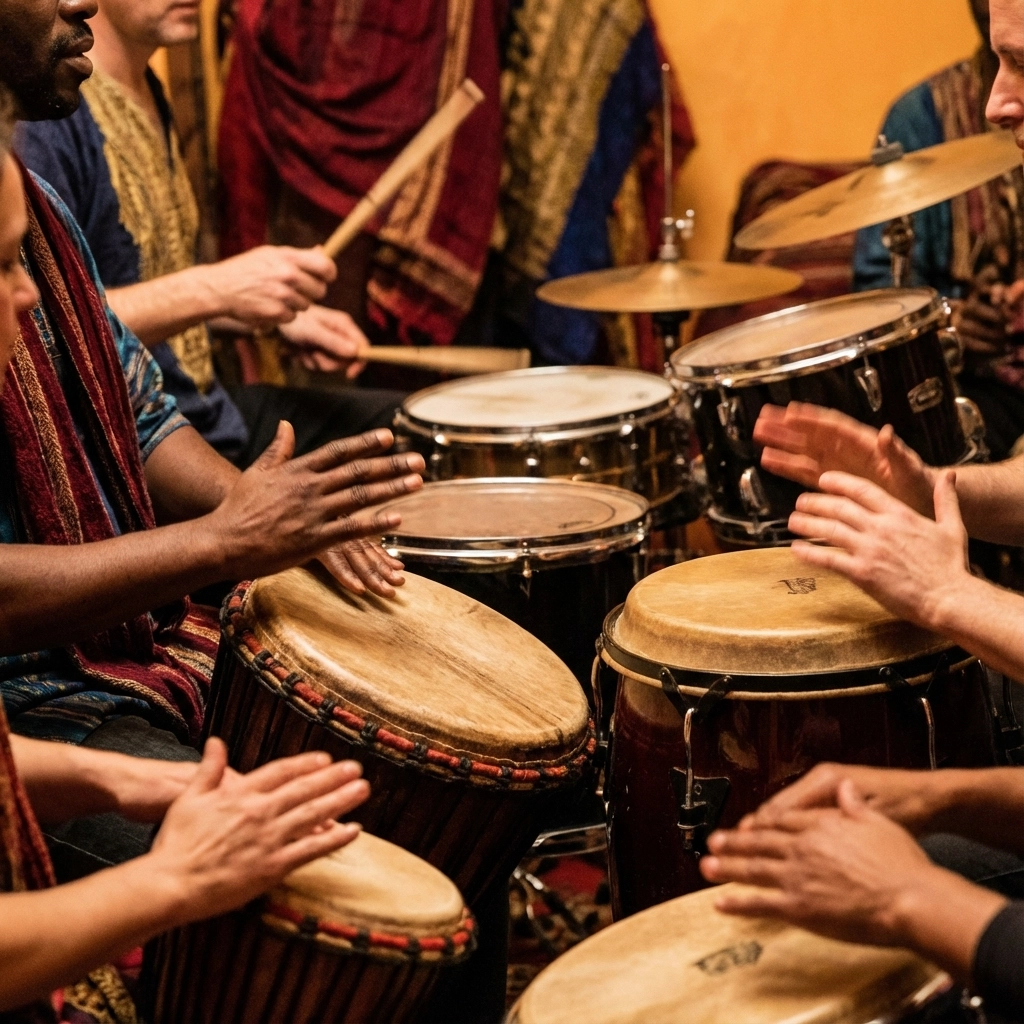
The program incorporates specific evidence-based activities that create meaningful connections between participants:
Name and Movement Call and Response: Participants engage in rhythmic name-calling activities where each person's name is followed by rest periods, allowing everyone to hear and acknowledge each individual. Leaders facilitate movement that the entire group mirrors, creating unity and belonging.
Feelings Identification Through Drumming: Students explore various emotions by translating them into drum sounds, always ending with exploring what happiness sounds like on the drum. This activity helps participants develop emotional vocabulary while experiencing the physical release that rhythm provides.
Happiness Sharing with Movement: Participants reflect on simple things that bring them joy: like getting up in the morning: and share using the format "I feel happy when..." accompanied by movement and sound that the group mirrors. This practice builds positive associations and community support.
Reflection and Acts of Kindness: The program includes guided discussions about random acts of kindness, encouraging participants to remember thoughtful actions they've taken for others and exploring how these actions affected both giver and receiver.
The program also incorporates alternative feeling words like grateful, relaxed, respected, and strong, expanding emotional awareness while building positive affirmations that support resilience and self-worth.
Research on Beat the Odds demonstrates significant evidence-based outcomes, including reduced risk behavior, increased coping skills, and positive identity development among participants. The program's focus on group drumming, movement, and reflection creates a unique therapeutic environment distinct from other creative wellness approaches.
The Science Behind Creative Wellness
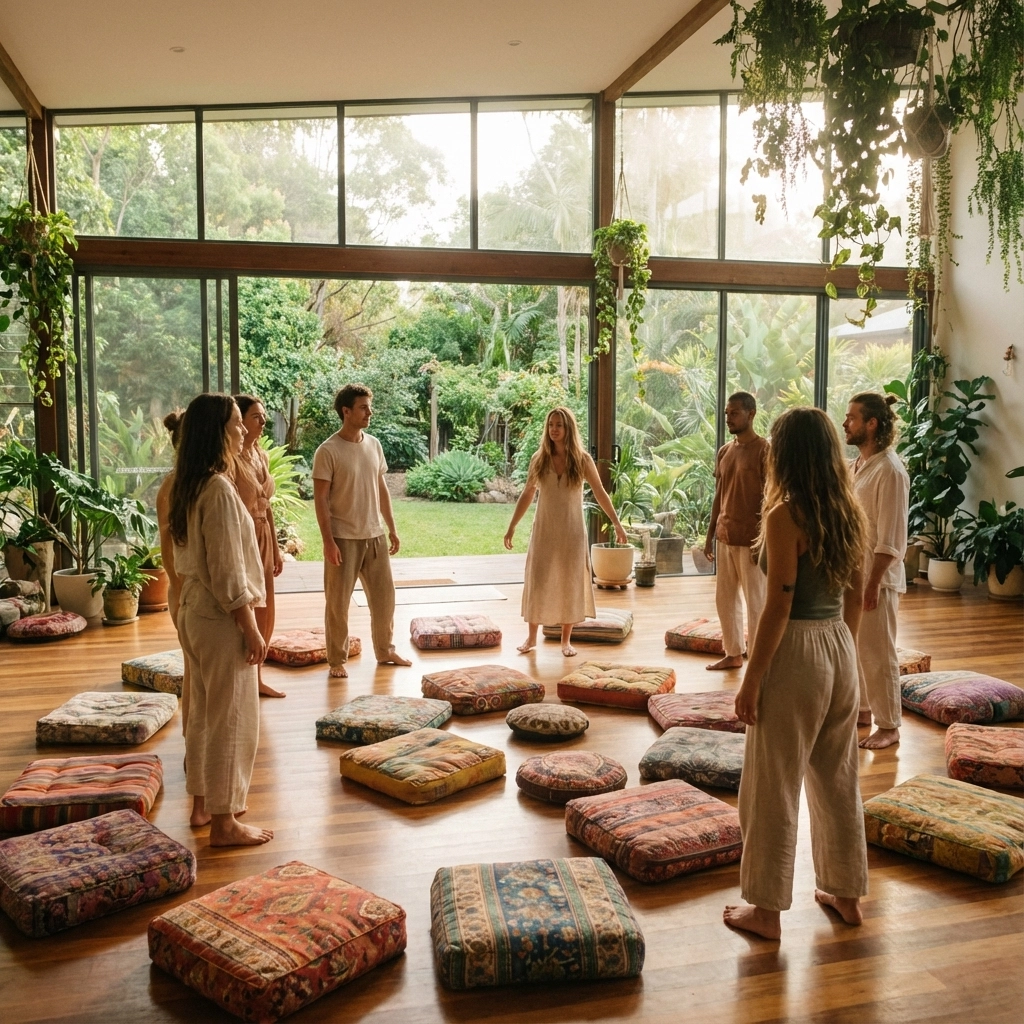
Creative approaches to social-emotional wellness operate through several interconnected mechanisms. These strategies are action-oriented, culturally responsive, and meaningful, offering concrete resources that youth and young adults intentionally use to support their mental health. Key factors contributing to successful creative healing include intentional engagement, having supportive relationships, and motivation to use creative expression as a concrete tool for well-being.
Both personal development and community well-being outcomes can be achieved through active, purposeful engagement with creative practices. Lyrical analysis, movement expression, rhythmic engagement, and visual storytelling have all emerged as significant predictors of empowering creative engagement, along with racial/ethnic identity development and strong peer support networks.
Social-Emotional Learning Through Creative Expression
Creative wellness programs naturally align with social-emotional learning (SEL) competencies, providing engaging pathways to develop self-awareness, self-management, social awareness, relationship skills, and responsible decision-making. When youth express themselves through music, movement, or visual arts, they practice identifying emotions, regulating responses, and communicating effectively with peers.
These approaches prove particularly effective because they meet young people where they are culturally and developmentally. Rather than traditional talk therapy models, creative expression allows for non-verbal processing, cultural connection, and peer learning that feels authentic and engaging.
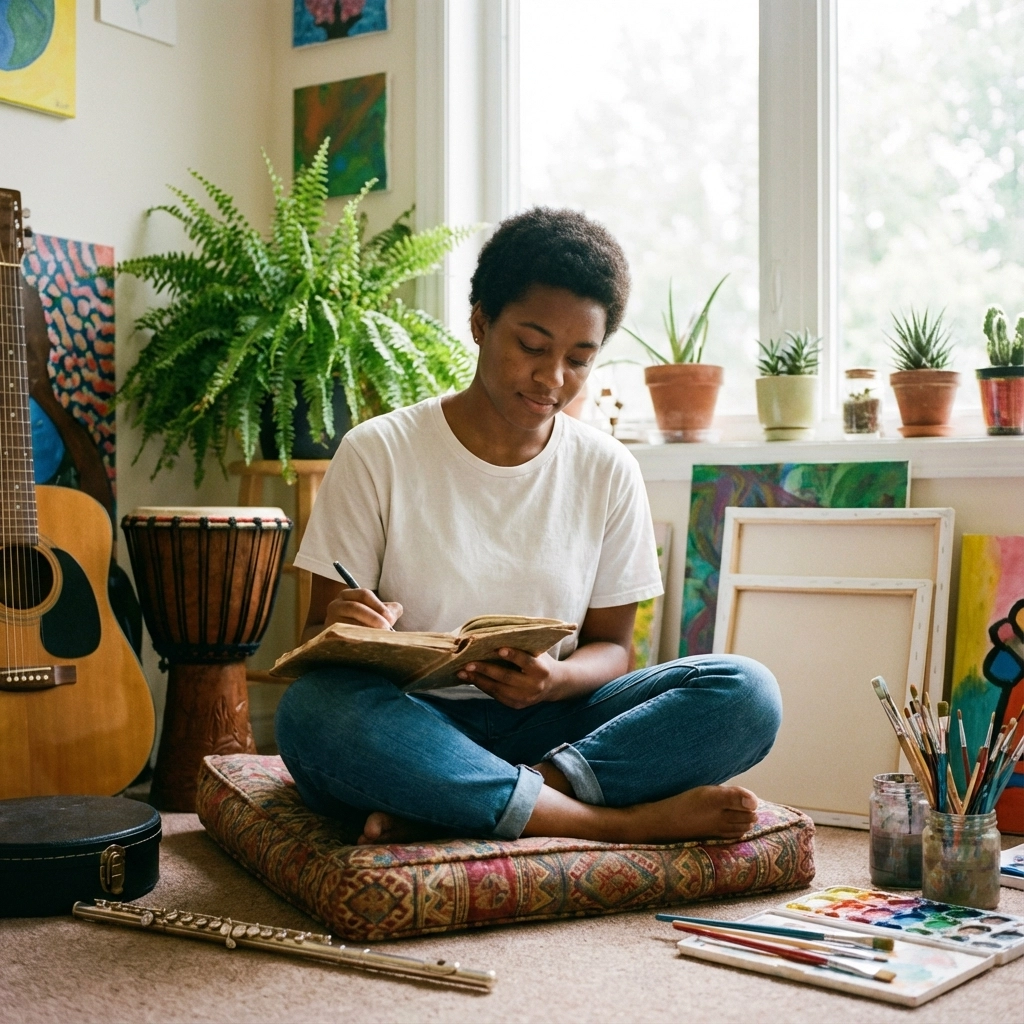
Trauma-Informed Creative Practices
Creative wellness programs excel at providing trauma-informed care because they naturally incorporate safety, trustworthiness, peer support, collaboration, empowerment, and cultural humility. Programs like Beat the Odds create predictable structures where participants can express themselves safely while building connections with others who share similar experiences.
These interventions can enhance treatment engagement, promote affect regulation and expressivity within therapeutic relationships, and provide critical validation necessary for healing. Creative approaches add culturally specific intersectional perspectives to traditional therapeutic models, making them particularly effective for populations with limited access to formal mental health services.
Building Community Through Creative Connection
Whether through hip hop culture, drumming circles, movement therapy, or visual arts programming, creative wellness approaches excel at building community connections that support long-term healing and resilience. Programs create opportunities for mentorship, peer support, and intergenerational learning that extend far beyond individual sessions.
2 Inspire Peace is proud to recognize the diverse landscape of creative wellness programming that supports youth and families in our communities. 2 Inspire Peace is a nonprofit organization dedicated to reducing stress and enhancing overall well-being for individuals, families, and communities. We provide holistic, restorative, and creative approaches to healing by blending evidence-based practices with the arts.
Our services include:
Restorative Practices & Training – Supporting schools, organizations, and communities in building healthy relationships, conflict resolution, and culture shifts.
Mental Health First Aid – Certified trainings that equip individuals with the tools to recognize and respond to signs of mental health challenges.
Mindfulness & Wellness Programs – Guided meditation, sound energy healing, aromatherapy, and sensory-based experiences that promote self-awareness and emotional regulation.
Youth Development & SEL – Programs that integrate art, music, hip hop, and nature-based learning with social-emotional learning to help young people express themselves and thrive.
Community Healing Spaces – Creation of Zen Dens, peace rooms, wellness retreats, and interactive workshops to foster collective restoration.
At its core, 2 Inspire Peace exists to create safe, restorative, and inspiring spaces where people can heal, grow, and reconnect with themselves and others.
Our Impact
Transforming Systems Through Healing-Centered Education 2 Inspire Peace provides culturally relevant, community-rooted solutions that meet youth where they are, with creativity, care, and confidence. We understand that therapy isn’t the only path to healing—our work normalizes mental wellness while reducing stigma and enhancing social-emotional resilience, especially for those historically marginalized and under-resourced.
We Are Of the Communities We Serve Barriers such as stigma, cost, inaccessible services, and lack of cultural relevance disproportionately impact Black and Brown youth. Our leadership, staff, and facilitators reflect the lived experience, insight, and creativity of those we serve. This proximity enables us to build trust, establish safety, and foster belonging—creating programs that are not only effective but transformative. 2 Inspire Peace isn’t just serving these communities — we are these communities.
Results (Pre/Post Assessment Highlights):
32% increase in students who identify as emotionally confident (self-awareness: “knowing how you feel”)
Over 50% decrease in youth who “rarely” express themselves kindly to others
Major shift towards collaborative empathy and teamwork
Mixed results in conflict resolution: awareness improved, but needs for deeper support and restorative strategies remain
Ongoing development to strengthen the connection between art and emotional healing through intentional reflection and creative coping [Image: image_5]
The Future of Creative Wellness
As research continues to demonstrate the effectiveness of creative approaches to social-emotional wellness, we anticipate expanded integration of these strategies in schools, community centers, healthcare settings, and juvenile justice programs. The evidence is clear: when we provide culturally responsive, engaging, and community-centered opportunities for healing, young people thrive.
Programs like Beat the Odds, hip hop therapy initiatives, and other creative wellness approaches represent a comprehensive counter-narrative in addressing rising mental health struggles through authentic, compassionate, and evidence-based practices. By honoring diverse cultural expressions and meeting individuals where they are, we create pathways to healing that are both effective and sustainable.
The intersection of creativity, community, and healing continues to evolve, offering hope and concrete resources for building resilience in our most vulnerable populations. As we move forward, the integration of these approaches into mainstream mental health and educational systems promises to transform how we support social-emotional wellness for generations to come.


Comments